
Digital Job Cards
Vehicle history, technician notes, inspection media, quotes and approval events in one controlled record.
Reusable product candidate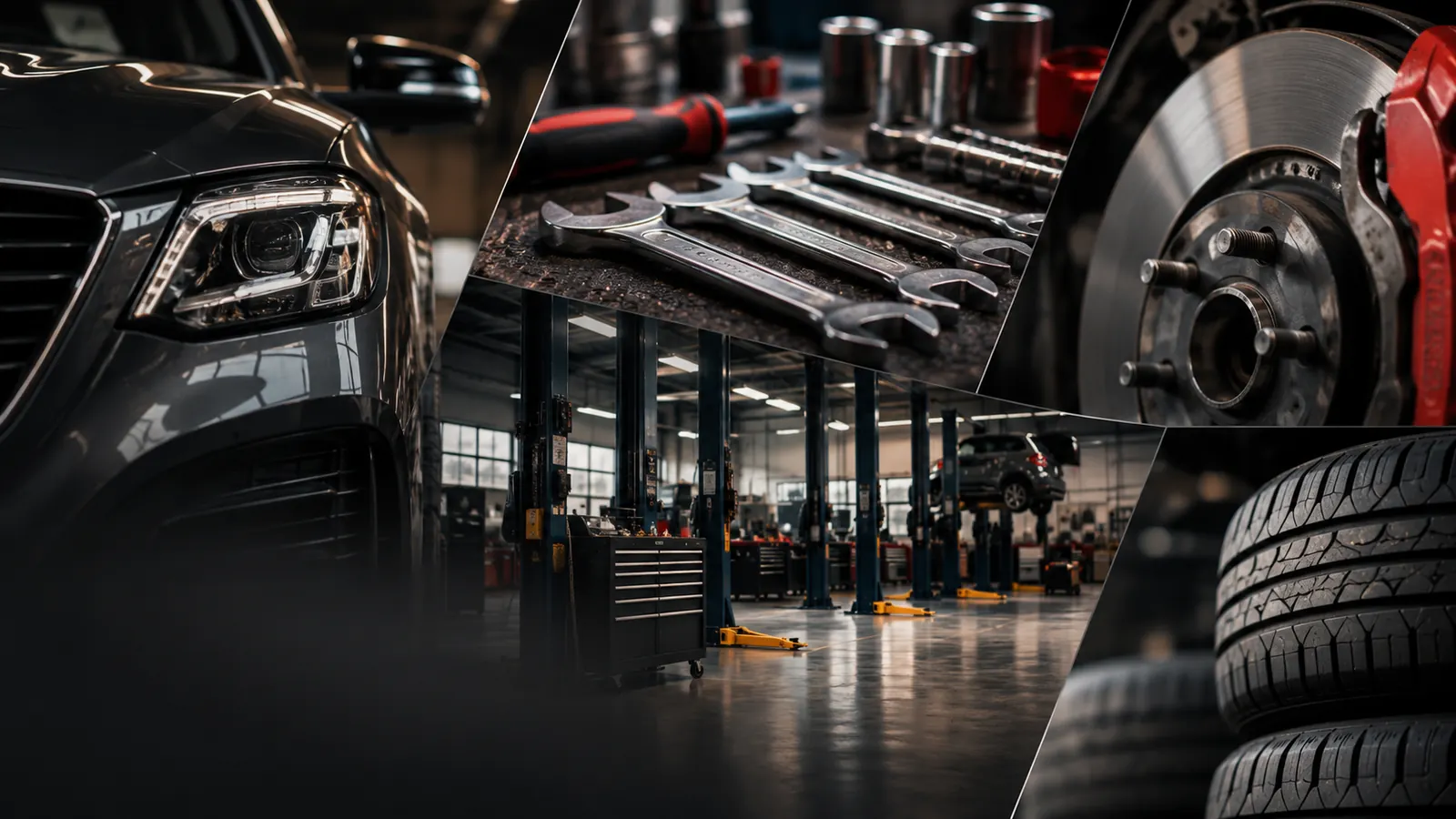
One repair job connects parts, quotations, inspections and customer expectations.
Independent mechanics, tyre shops, panel beaters, auto electricians and service centres often juggle several jobs at different stages. We explore how information moves between the service desk, technicians, suppliers and the customer.
These are realistic illustrative situations built from known workflow patterns. We would validate them through business interviews before claiming they reflect any particular customer.
The technician finds a worn water pump during a scheduled service. Photos are on one phone, the original quotation is printed at reception, and the revised total needs customer approval before work continues.
The vehicle occupies a bay while staff chase approval. The customer cannot easily see why the repair changed or what it will cost.
Digital vehicle job cards with inspection photos, itemised revised quotations and a secure customer approve/decline link with an audit record.
Approval turnaround, time vehicles wait in bays, quotation revisions and customer disputes.
Ask how customers currently approve additional work and whether the shop keeps a vehicle history.
A supplier confirms a part by phone but the delivery moves from Monday to Wednesday. The job board still shows Monday completion, and the customer calls repeatedly for updates.
Parts availability, repair planning and customer expectations are disconnected.
A parts-status workflow linked to jobs, supplier confirmations, expected arrival dates and customer notifications when timelines change.
Parts-related delays, inaccurate completion estimates, repeat status calls and idle time.
Ask how many suppliers a typical job involves, where ETA updates are stored and who informs customers.
A vehicle is ready at 14:00, but the customer is only told late in the day. In the meantime, the parking area fills and reception keeps asking mechanics which jobs are finished.
Job progress isn't visible to the front desk, so completion messages and collection arrangements are inconsistent.
A shared workshop status board with completion checks, collection messages and a basic digital customer timeline.
Time from completed work to customer notification, vehicle collection delay and status enquiries.
Ask when a repair becomes officially complete and which roles can update its status.
Our goal is purpose-built FOH technology. These are potential modules—not existing subscriptions, product demonstrations or promises of future features.
Vehicle history, technician notes, inspection media, quotes and approval events in one controlled record.
Reusable product candidateConnect supplier updates and parts arrival to expected job completion dates.
Reusable product candidateExplain repair stages and send relevant updates without unnecessary phone calls.
Custom module conceptThe first workshop is about your process, not a software sales pitch. We want to understand the true cost of the problem and how the team works today.
A few important distinctions between today's website services and potential custom software.
A secure mobile approval flow is one possible module; it would need proper authentication, records and quote controls.
Only where an authorised integration is available and the business approves it.
No. These are scenarios and product directions awaiting validation and implementation.
We can start with a website or discuss a specific operating problem. We won't pretend a future tool is already available.
 Stays & HospitalityB&Bs · Guesthouses · Airbnb-style rentals · Boutique hotels
 Industrial & ManufacturingEngineering shops · Fabricators · Manufacturers · Machine shops
 Trades & Home ServicesPlumbers · Electricians · Carpenters · Builders