
Prep & Waste Planner
Forecast preparation, record daily waste and compare expected demand against actual sales.
Reusable product candidate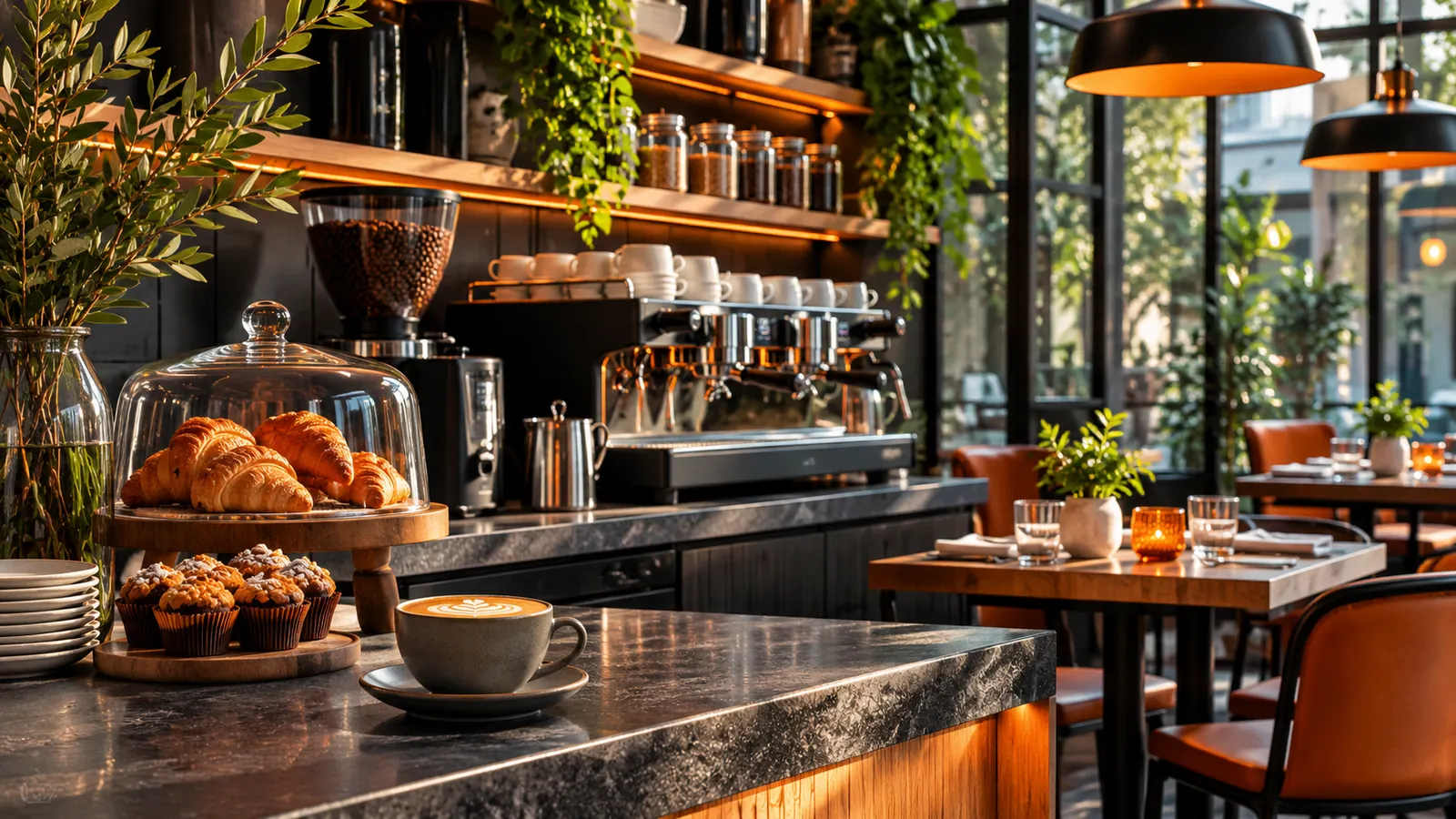
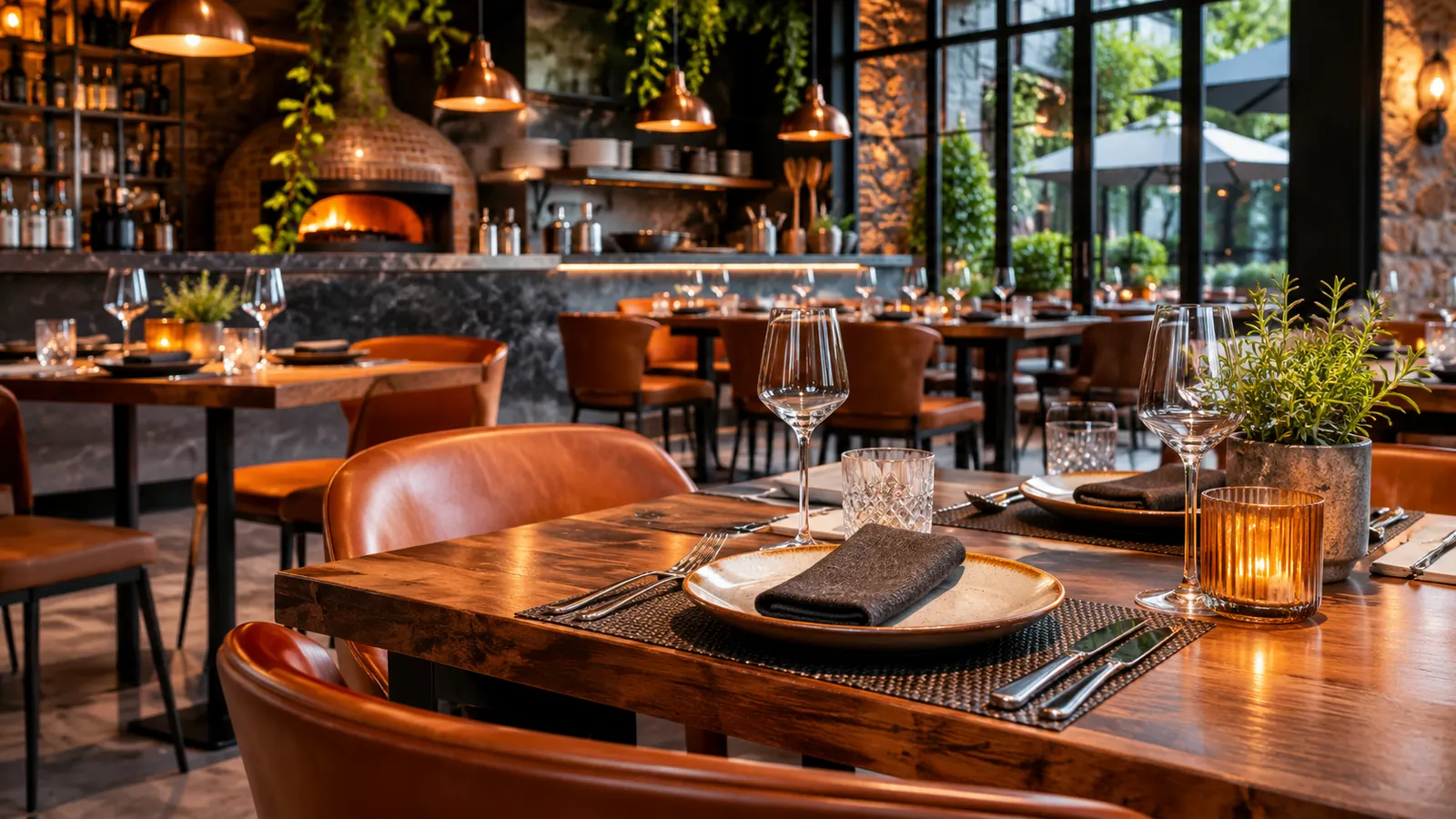
From the morning prep list to the final table booking, small decisions shape the day.
Cafés, restaurants, bistros, bakeries, takeaways and caterers operate on tight handovers between purchasing, preparation, service and customer communication. We explore the processes behind a good customer experience, then design tools around the actual work.
These are realistic illustrative situations built from known workflow patterns. We would validate them through business interviews before claiming they reflect any particular customer.
At 06:30, the team decides how many muffins, sandwiches and fillings to prepare. Friday's popular items sold out, but Tuesday's unsold trays went into the waste bin. Sales figures, recipes and handwritten waste notes live in different places.
Decisions depend on memory. Overproduction ties up cash; underproduction disappoints customers. Nobody has a simple view of how much was made, sold and discarded by day.
A kitchen prep planner that combines yesterday's sales, upcoming orders, recipes, stock counts and waste records to recommend a starting prep quantity. Staff can adjust it before service.
Daily waste units, stockouts, prep time, sell-through and forecast error.
Ask how prep quantities are chosen today, which items are thrown away, and whether ingredient usage data is available.
During the lunch rush, guests telephone to reserve tables, another party sends a WhatsApp message, and a walk-in asks whether a table will be free in 20 minutes. The same availability is being managed across a diary and several conversations.
Enquiries are answered late, booking details go missing and staff repeat the same questions while managing service.
A lightweight reservation and enquiry hub that gathers requests, applies capacity rules, shows a live booking board and sends confirmations or waitlist updates.
Booking response time, unanswered requests, no-show rate and time spent handling reservations.
Ask which booking channels are used, whether seating is assigned manually and how no-shows are handled.
A supplier increases the price of cooking oil and proteins, but the kitchen still uses the old ingredient-cost sheet. A popular dish looks profitable on the menu although its actual gross margin has narrowed.
Pricing decisions are made without current recipe costs, and purchasing discrepancies are only discovered at month-end.
A recipe costing and supplier price tracker with ingredient units, historical price changes, purchase orders and configurable margin alerts.
Recipe cost variance, purchasing time, gross margin by dish and price update lag.
Ask how recipes and ingredient costs are captured and how often prices are checked.
Our goal is purpose-built FOH technology. These are potential modules—not existing subscriptions, product demonstrations or promises of future features.
Forecast preparation, record daily waste and compare expected demand against actual sales.
Reusable product candidateBring booking requests, confirmations, waitlists and service availability into one workflow.
Reusable product candidateTrack ingredient costs and understand which dishes need closer attention as supply prices change.
Custom module conceptThe first workshop is about your process, not a software sales pitch. We want to understand the true cost of the problem and how the team works today.
A few important distinctions between today's website services and potential custom software.
Not necessarily. We would investigate the system already in use and its permitted integration options before defining the solution.
No. It is a proposed product direction, not a released FOH Technologies subscription.
Yes. A professional public website is a current FOH service; operational software is separately scoped around the business's requirements.
We can start with a website or discuss a specific operating problem. We won't pretend a future tool is already available.
 Stays & HospitalityB&Bs · Guesthouses · Airbnb-style rentals · Boutique hotels
 Automotive & WorkshopsMechanics · Tyre shops · Panel beaters · Auto electricians
 Industrial & ManufacturingEngineering shops · Fabricators · Manufacturers · Machine shops
 Trades & Home ServicesPlumbers · Electricians · Carpenters · Builders